
Imagine finding a way to eat that doesn’t just help you lose weight. It’s a total reset for your body’s health. The keto diet is more than food. It’s a way to get your energy and health back.
The keto lifestyle changes how we see food and how our bodies work. It cuts down carbs and uses good fats. This lets your body burn energy better, think clearly, and fight off health problems.
Keto does more than help you lose weight. It makes your body use fat for energy. This big change happens from the inside out.
Key Takeaways
- Keto transforms metabolic health beyond traditional dieting
- Shifts body from glucose to fat-burning metabolism
- Supports sustained energy and mental clarity
- Addresses multiple chronic health conditions naturally
- Provides a complete wellness approach
Understanding the Ketogenic Diet and Nutritional Ketosis
The ketogenic diet is a new way to eat that’s not like old diet plans. Our guide will show you how it can change your health.
This diet is all about eating lots of fat and not much sugar. It makes your body burn fat instead of sugar. This is a new way to feel good.
What is the Ketogenic Diet
The keto diet is special because of how it’s set up. It has:
- 70-75% of calories from healthy fats
- Only 20-50 grams of carbs a day
- 20-25% of calories from protein
The Science Behind Ketosis
When you eat less sugar, your liver makes ketone bodies. These are fuel for your brain and muscles. It helps you burn fat and have energy all day.
Different Types of Ketogenic Diets
Keto isn’t the same for everyone. There are many diets to choose from:
- Standard Ketogenic Diet (SKD): 70% fat, 20% protein, 10% carbs
- Cyclical Ketogenic Diet (CKD): Has days with more carbs
- Targeted Ketogenic Diet (TKD): More carbs before workouts
- High-Protein Ketogenic Diet: 35% protein, 60% fat
Knowing these options lets you pick the best diet for you. It helps you feel your best.
How the Keto Lifestyle Reshapes Your Metabolism
Starting a ketogenic diet is a big change for your body. It’s not just about what you eat. It’s a big change in how your body uses energy.
When you eat fewer carbs, big things happen:
- Your liver starts making ketones from fat
- Muscles get better at using ketones
- Your brain starts using energy differently
- You become more sensitive to insulin
The magic happens at the cell level. Your body turns from needing sugar to burning fat. This makes your energy more stable and your cells stronger.
“Metabolic flexibility is the key to understanding your body’s true energy and wellness.”
When you start a ketogenic diet, your body changes in big ways. Your cells get better at using energy. This helps your cells stay healthy and might even protect you from disease.
This diet change is more than losing weight. It’s a way for your body to work better. It uses fat for energy and is more flexible.
Transforming Your Life with Keto: Real Health Benefits
The ketogenic diet is more than just for losing weight. It’s a way to improve your health in many ways. It helps you feel better in every part of your life.
Our research shows the keto diet can change your health in big ways. It can make you healthier from the inside out.
Weight Loss and Body Composition Changes
Weight loss with keto is not just about the number on the scale. Studies show amazing results:
- Average weight loss of 2 pounds more than low-fat diets
- Big drop in total body fat
- Improved how your body uses energy
| Diet Type Average | e Weight Loss Body | y Fat Reduction |
|---|---|---|
| Ketogenic Diet | 10-15 lbs | 5x faster than low-fat diets |
| Low-Fat Diet | 8-12 lbs | Standard reduction |
Improved Mental Clarity and Cognitive Function
Feel mentally clear like never before with keto. Ketones are a better fuel for your brain. They give you steady energy and make you think better.
Your brain loves ketones, making you sharper than ever.
Enhanced Energy Levels Throughout the Day
No more energy crashes with keto. The benefits include:
- Energy stays steady all day
- You need less caffeine
- Your body works better all the time
By trying this new way, you’ll feel more alive. It helps you do better in your daily life.
The Ketogenic Diet’s Impact on Diabetes and Blood Sugar Control
Managing diabetes is a big challenge. The ketogenic diet might be a good solution for many. It helps control blood sugar and improve health.
Diabetes messes with how our body uses food. It makes blood sugar levels too high, and insulin does not work properly. The keto diet helps fix these problems.
- Reduces dietary carbohydrate intake
- Improves insulin sensitivity
- Promotes sustainable weight management
- Minimizes blood sugar fluctuations
Studies show the keto diet works well for diabetes:
| Study Focus | Key Findings Duration | n |
|---|---|---|
| Insulin Sensitivity | 75% Improvement | 12 Weeks |
| HbA1C Reduction | Significant Decrease | 90 Days |
| Weight Loss | Average 26.2 Pounds | 2 Years |
The ketogenic diet transformation is more than just a quick fix. It changes how our body works. It can even reverse insulin resistance and lead to lasting health gains.
Empowering metabolic health through strategic nutritional intervention represents the future of diabetes management.
If you’re thinking about trying the keto diet, talk to your doctor first. They can help you keep an eye on your health and adjust your treatment plan as needed.
Keto for Health Improvement: Reducing Chronic Health Challenges
The ketogenic diet is a strong way to tackle big health problems. It’s not just for losing weight. It’s a full plan for making your body work better.
Our bodies deal with many health issues today. Problems like chronic inflammation and insulin resistance are big concerns. The keto diet offers more than just food changes.
Understanding Metabolic Syndrome
Metabolic syndrome is a group of health issues that raise disease risk. It includes:
- Increased belly fat
- Insulin resistance
- High triglycerides
- High blood pressure
Reducing Inflammation and Oxidative Stress
The keto diet has amazing anti-inflammatory effects. Beta-hydroxybutyrate (BHB) is key in lowering inflammation.
| Inflammatory Marker | Keto Impact |
|---|---|
| NF-kB Expression | Significantly Reduced |
| Pro-inflammatory Cytokines | Decreased Production |
| Oxidative Stress | Mitigated through Glutathione Increase |
“The ketogenic diet isn’t just a diet—it’s a powerful metabolic reset button for your body.”
Women can improve their health by trying keto. It can help fix metabolic problems and lower inflammation. The keto lifestyle also protects cells and improves overall health.
The Role of Beta-Hydroxybutyrate in Your Keto Journey
Beta-hydroxybutyrate (BHB) is a key player in your keto journey. It’s not just about energy. It’s a powerful messenger that changes how cells work on a ketogenic diet.
BHB is more than fuel. It’s a smart messenger that talks to cells in a special way. Let’s look at what makes it so special:
- Acts as an epigenetic regulator influencing gene expression
- Provides neuroprotective benefits for brain health
- Helps suppress appetite naturally
- Supports cellular stress resistance
BHB as a Signaling Molecule
BHB is a smart messenger in nutritional ketosis. It changes how genes work by adjusting DNA packaging. This helps improve how cells work, fight inflammation, and fix themselves.
Neuroprotective Properties of Ketones
The brain loves BHB. It helps keep the brain sharp and might even prevent memory loss. BHB gives the brain a new fuel and cuts down on stress, helping you stay sharp on your keto journey.
BHB represents more than a metabolic adaptation—it’s a cellular transformation.
Expert Insights: Dr. Eric Berg and Dr. Annette Bosworth on Keto Success
Changing your life with keto needs help from experts who know the science. Dr. Eric Berg and Dr. Annette Bosworth are leaders in the keto world. They help people on their keto journey with great success.
Dr. Eric Berg is a top health teacher on keto nutrition. He looks at more than just food numbers. He focuses on:
- Nutrient density optimization
- Addressing metabolic underlying issues
- Implementing strategic intermittent fasting
- Supporting liver health for enhanced ketone production
Dr. Annette Bosworth, or “Dr. Boz,” has a special view on keto. She’s known for:
- Creating the Dr. Boz Ratio for ketosis
- Using keto for serious health problems
- Stressing the importance of tracking
- Offering tailored metabolic plans
Together, they show that keto success is not just about diet. It’s about knowing your body’s needs. They say education, patience, and a personal touch are key to changing your life with keto.
The key to ketogenic success lies in understanding your individual metabolic needs and adapting your approach.
How Keto Transforms Your Gut Microbiome
Your gut has trillions of tiny living things. They are very important for your health. Eating a ketogenic diet can change these tiny lives in a good way.
Understanding Microbiome Dynamics
Studies show that a keto diet changes your gut bacteria. Good health in your gut means:
- Bacterial diversity
- Firmicutes to Bacteroidetes ratio
- Metabolic function of gut bacteria
Increasing Beneficial Bacteria
Eating keto can help good bacteria grow. Research shows big changes in gut bacteria, like:
| Bacterial Change | Observed Impact |
|---|---|
| Bacteroides Increase | 24% growth in epileptic infant studies |
| Firmicutes Reduction | Improved metabolic health markers |
| Verrucomicrobiaceae Growth | Enhanced metabolic function |
The Firmicutes to Bacteroidetes Ratio
The balance between Firmicutes and Bacteroidetes is key to gut health. A lower ratio means better health and less inflammation. Keto diets help balance this important ratio.
The ketogenic diet isn’t just about weight loss—it’s a complete change for your inside world.
Choosing the right foods is important. Eat lots of fiber, like in low-carb veggies. Also, eat fermented foods and keep your diet full of nutrients. This helps your gut during keto.
Achieving Sustainable Ketosis for Long-Term Results
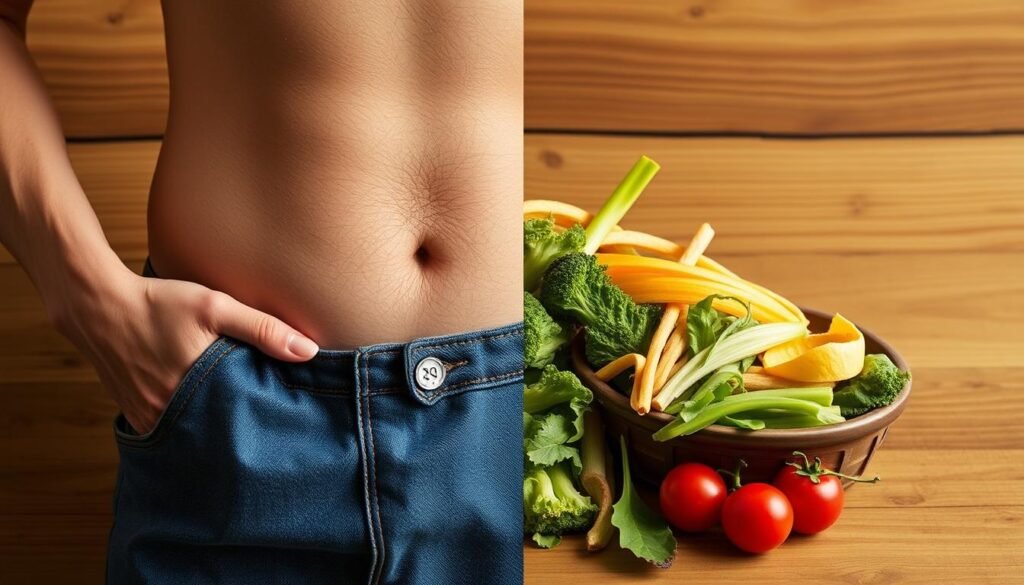
Starting a ketogenic diet is a big step. It needs careful planning and a commitment to keep going. Our goal is to help you make a lasting change that improves your health.
To keep in ketosis, we have a detailed plan. It’s not just about cutting carbs:
- Maintain consistent low-carb intake (20-50 grams daily)
- Prioritize high-quality healthy fats
- Practice moderate protein consumption
- Incorporate intermittent fasting
It’s important to keep track of your ketosis. We recommend using different ways to do this:
| Tracking Method Accuracy Costs | st | |
|---|---|---|
| Blood Ketone Meter | High | $$ |
| Urine Test Strips | Medium | $ |
| Breath Acetone Meter | Medium | $$ |
Ketogenic diet transformation is a journey of metabolic adaptation. Look for signs that you’re in ketosis, like:
- Reduced hunger
- Steady energy levels
- Improved mental clarity
- Decreased inflammation
Your body is designed to be metabolically flexible—sustainable ketosis is about working with your natural processes, not against them.
Remember, sustainable ketosis is a way of life, not just a diet. By listening to your body and sticking to a plan, you can enjoy lasting health benefits.
Keto Weight Loss Success: What to Expect on Your Personal Journey
Starting a keto journey is both thrilling and tough. Knowing what weight loss looks like keeps you motivated. It helps you set goals for changing your life with keto.
Going Keto: Why It’s actually Good for you.
If you’ve been struggling to lose weight, even if you’ve been exercising regularly, this could be the ONLY solution for you.
CLICK HERE TO ACCESS YOUR DELICIOUS KETO DIET PLAN
Here’s why:
No matter how frequently you exercise…
You will NOT lose weight if your body is NOT in a Fat-burning mode.
Sadly, most people start exercising with the expectation of losing weight fast.
Of course, exercising will help you to lose weight and be healthy, but it is NOT the fastest way to lose weight.
But, if you combined exercise and follow the ‘Right’ diet…
You will definitely be able to lose weight FAST.
“I Exercise Every Day & Eat Healthy Food Regularly, But…”
I was still struggling to lose weight.
I lost a few kilograms at first, and I was happy about it.
But once I go from 95KG to 87KG, I hit a plateau.
I kept exercising and eating healthy food. You can never imagine how many fruits and greens I consumed for months, hoping to lose weight.
I feel healthier day by day, but my weight has remained stagnant!
Slowly, it’s getting frustrating.
“Why in the world is that Exercising Regularly & Eating Healthy Doesn’t Work Anymore?”
So, I did my research & consulted with a few weight-loss experts.
And I get the same old, boring answers.
“Eat clean, exercise more, and stay in a caloric deficit every day”.
Then they started teaching me calorie counting, which is very frustrating. I even remember that I had to carry my mini weighing scale everywhere I went for about a month. Nope. It doesn’t work because it’s too inconvenient!
Not until one fine day that I stumble upon a diet that was discovered back in 1924 for treating children with epilepsy…
CLICK HERE TO ACCESS YOUR DELICIOUS KETO DIET PLAN
Turns out to be a breakthrough for Weight Loss!
First Week Changes and Water Weight
The first week on keto can be very exciting. Many people lose 2-10 pounds quickly. This weight loss is mostly water, not fat.
Here’s what’s happening:
- Glycogen stores start to go down
- Body releases water tied to glycogen
- You might feel less bloated
- The scale shows big changes right away
Long-Term Fat Loss and Metabolic Adaptation
Keto success lasts longer than the first week. Studies show great results over time:
- People on keto lost about 2 pounds more than those on low-fat diets
- Eight-week studies found nearly five times more fat loss
- Two-year studies showed they kept the weight off
Your keto journey is special. Things like your health, stress, and body type affect how you lose weight. Look at more than just the number on the scale. Energy, mood, and health are key signs of your change.
Foods to Embrace and Avoid on Your Low-Carb Life Change
Starting a ketogenic diet means picking the right foods. It’s important to know which foods help and which ones don’t. This helps keep you in ketosis and keeps you healthy.
Now, let’s look at the foods that will help you on your low-carb journey:
Foods to Embrace
- High-quality proteins:
- Grass-fed beef
- Pasture-raised chicken
- Wild-caught fatty fish
- Pasture-raised eggs
- Healthy fats:
- Extra virgin olive oil
- Avocado oil
- Grass-fed butter
- Coconut oil
- Low-carb vegetables:
- Spinach
- Kale
- Broccoli
- Cauliflower
- Zucchini
Pro tip: Choose organic and grass-fed foods for the best nutrition.
Foods to Avoid
- Sugar and sweetened products:
- Sodas
- Fruit juices
- Candies
- Baked goods
- High-carb foods:
- Bread
- Pasta
- Rice
- Potatoes
- Processed items:
- Low-fat diet products
- Inflammatory vegetable oils
- Alcohol
Your journey to a ketogenic diet is about making smart choices. Eating foods low in carbs helps your body change. This can lead to amazing health benefits.
Overcoming the Keto Flu and Initial Side Effects
Starting a ketogenic diet can be tough at first. Many people get what’s called the “keto flu.” It’s a short list of symptoms when your body starts using fat for energy instead of sugar.

Your keto journey might have some bumps. But knowing about these side effects can make the transition easier.
Common Symptoms to Expect
In the first weeks of your diet, you might feel:
- Fatigue and less energy
- Headaches
- Brain fog
- More hunger
- Trouble sleeping
- Changes in digestion
- Muscle cramps
Strategies to Minimize Discomfort
To get ready for your diet change, manage side effects well:
- Drink lots of water
- Eat more electrolytes
- Eat enough calories
- Slowly cut down on carbs
- Get enough sleep
Pro tip: Add sea salt to your meals and drink bone broth. They help replace lost electrolytes during your keto journey.
Keto flu symptoms usually get worse around days 3-5. They start to go away in a week or two. Remember, these signs mean your body is getting used to a new way of working.
The Cardiovascular Benefits of a High-Fat Ketogenic Lifestyle
Looking into the keto lifestyle shows us how it helps our hearts. Women might think high-fat diets are bad for their hearts. But research shows they can actually help.
Here are some heart health benefits of keto:
- Increased HDL (good) cholesterol levels
- Reduced triglyceride concentrations
- Improved blood pressure regulation
- Enhanced blood sugar control
New studies show keto diets can really improve heart health. It’s not just about losing weight. It changes how our body works, which helps our heart.
Choosing the right fats is important. Prioritize healthy fats from:
- Olive oil
- Avocados
- Fatty fish
- Grass-fed meats
- Nuts and seeds
We focus on quality fats. Not all fats are good for us. Choose fats that are full of nutrients and support your heart and body.
Consult with healthcare professionals to personalize your ketogenic journey and monitor cardiovascular markers.
By learning about fats and heart health, women can feel good about keto. They know they’re making their heart healthier with smart food choices.
Practical Tips for Starting and Maintaining Your Keto Transformation
Starting a low-carb life change needs careful planning. Our guide offers tips to make your keto journey easy and fun. You’ll learn how to keep going and enjoy the process.
Meal Planning Essentials
A good keto transformation starts with meal planning. Make a weekly meal plan to help you stay on track. This keeps your diet simple and follows keto rules.
- Create a weekly meal schedule
- Prep ingredients in advance
- Stock keto-friendly pantry staples
- Invest in quality storage containers
Macro Tracking Strategies
It’s important to watch your macronutrients to stay in ketosis. Using digital tools makes tracking easier.
| Tracking App | Key Features | User Rating |
|---|---|---|
| Carb Manager | Comprehensive macro tracking | 4.7/5 |
| MyFitnessPal | Large food database | 4.5/5 |
| Cronometer | Micronutrient tracking | 4.6/5 |
Ketone Level Monitoring
Knowing your ketone levels is key. Different testing methods offer varying levels of accuracy and convenience.
- Blood ketone meters (most accurate)
- Urine test strips (budget-friendly)
- Breath ketone analyzers (non-invasive)
Remember, your low-carb life change is a journey of continuous learning and adaptation.
Follow these tips to start your keto journey well. Be patient, stay consistent, and celebrate your successes.
Conclusion
Starting a keto life is more than just eating differently. It’s a big step towards better health. We’ve looked into how the keto lifestyle can make you feel better and healthier.
Your keto journey is special, made just for you. It’s not just about losing weight. It’s about feeling sharper, having more energy, and maybe fixing health problems. Learning about ketosis and eating right can help your body heal itself.
Going keto takes hard work, learning, and help from others. This guide gives you the tools to succeed. It helps you deal with tough times and celebrate your health wins. Always be kind to yourself as you go on this journey.
Your journey to better health begins today. Keep learning and using what you know about keto. With effort and the right help, you can make big, lasting changes in your life.