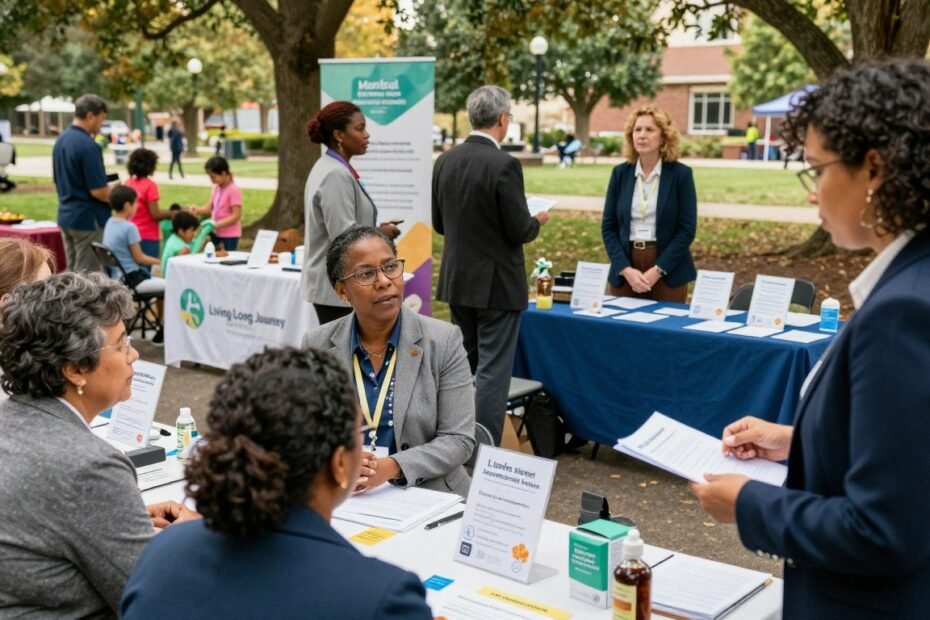
Did you know that stress from divisive issues can harm our health? The growing divide is more than just different opinions. It’s a big public health worry.
Political stress is affecting our health in ways we’re just starting to see. Studies show that the tension and anxiety from it can cause mental and physical health problems.
We will look into how political division affects our health. This includes the mental and physical effects it has on people in a community.
Key Takeaways
- The chronic stress from societal division has big health effects.
- Political tension can cause mental and physical health issues.
- It’s important to understand the health impact to find ways to lessen it.
- The health effects can differ a lot among different communities.
- Fixing this issue needs a wide range of solutions.
Understanding Political Polarization in American Communities
American communities face big challenges because of growing political polarization. This issue is not just about political differences. It’s how these differences affect our society.
Defining Political Polarization and Its Scope
Political polarization means a growing gap between people with different political views. It leads to strong partisan identities, making political groups stand out. This issue goes beyond politics, affecting how we interact, our communities, and our health.
The Current State of Division in U.S. Communities
The U.S. is now in a very hostile political environment. People are divided not just by party but also by race, income, and beliefs. This division shows up in many parts of community life, from politics to social events.
This division has big consequences, affecting not just politics but also our social structures and relationships. So, it’s key to understand and tackle political polarization to keep our communities strong and healthy.
Why This Matters Beyond Politics
Political polarization’s effects go way beyond politics, with big public health implications. The stress and anxiety from a polarized environment can cause health problems like mental issues and heart disease. It also weakens our social support networks, making health disparities worse.
By grasping the nature and effects of political polarization, we can start fixing its impact on community health. This way, we can build stronger, more united communities.
Political Polarization in a Community Effects on Individual Health
Political unrest and polarization affect more than just politics. They also impact our health. It’s important to see how these divisions harm our well-being.
Viewing Political Unrest Through a General Health Lens
When we talk about political polarization, we usually think about politics and society. But, we should also look at it from a health perspective. Studies show that political division can cause stress and anxiety, affecting our health.
The mind-body connection is key in understanding political stress’s health effects. Ongoing political uncertainty can weaken our immune system. It can make health problems worse and even cause new ones.
The Shift from Political Issue to Public Health Crisis
Political polarization turning into a public health crisis is alarming. As divisions grow, so does the stress and anxiety. This can lead to many health issues. We need to see this shift to tackle health problems effectively.
“The stress of political polarization can have real effects on our bodies, from increased blood pressure to a weakened immune response.”
Understanding the Mind-Body Connection in Political Stress
The mind-body connection is vital in grasping how political stress impacts health. Political uncertainty can stress our bodies, leading to long-term health issues. This shows the need for ways to manage political stress.
| Health Impact | Description |
|---|---|
| Increased Blood Pressure | Chronic stress from political division can lead to hypertension. |
| Weakened Immune Response | Ongoing anxiety can suppress the immune system, making us more susceptible to illness. |
| Mental Health Concerns | The stress of political polarization can contribute to anxiety, depression, and other mental health issues. |
The Physical Health Consequences of Political Stress
Political stress affects our bodies as well as our minds. It can cause many health problems, like heart disease and a weak immune system.
Heart Disease and Stroke Linked to Political Worry
There’s a clear link between political stress and heart health. People stressed by politics are more likely to get heart disease and stroke. This is because stress makes our bodies release harmful hormones.
A study found that political anxiety raises the risk of heart problems. Political stress can make our hearts work too hard, just like a physical threat.
Cancer Risk and Political Stress Connections
New research links chronic stress, like that from politics, to cancer risk. While the exact link is being studied, stress hormones can weaken our immune system. This makes us more likely to get cancer.
- Stress can cause inflammation, which is a cancer risk factor.
- Our immune system fights cancer cells less well under stress.
- Stress hormones can also affect tumor growth.
How Chronic Stress Weakens Our Immune Function
Chronic stress, like from politics, weakens our immune system. Stress hormones lower our immune response. This makes us more likely to get sick and less effective against vaccines.
“Chronic stress can have a profound effect on the immune system, making it harder for the body to fight off disease.” –
To fight these effects, we need to use stress-reducing strategies. Mindfulness, exercise, and social support can help. By managing political stress, we protect our health.
Mental Health and Psychological Strain from Political Division
Political divisions are making our mental health worse. The effects of political polarization are far-reaching, impacting our daily lives and well-being.
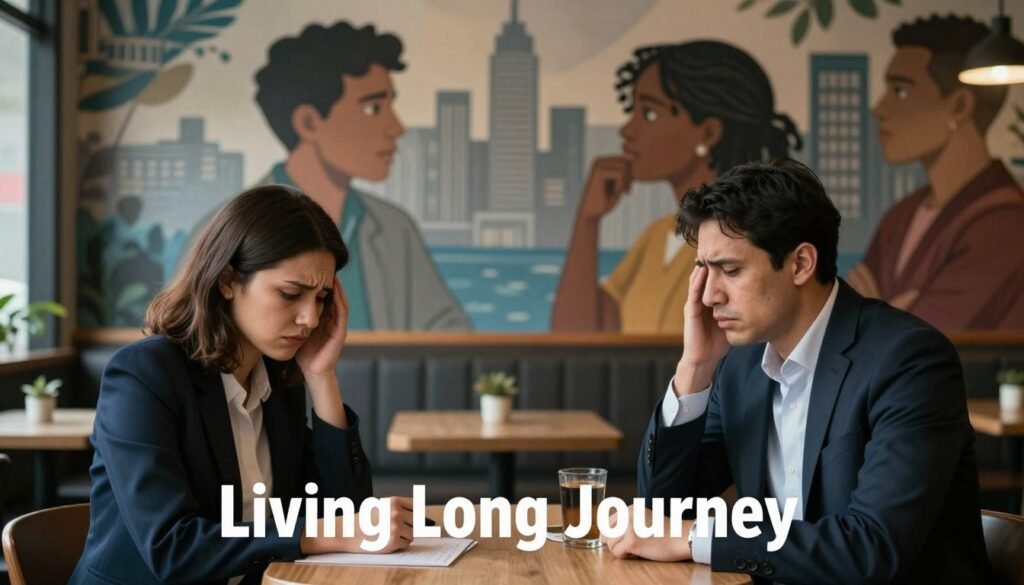
Election-Related Anxiety and Worry
Election times bring strong emotions. But the worry and anxiety can harm our mental health for a long time. The fear of what might happen can make us stressed, affecting us and our communities.
The impact of election-related anxiety is wide-ranging. It can change how we act in personal and work life. We need to understand this to help ourselves and others.
Sleep Loss and Temper Issues Affecting Daily Life
Political stress can cause sleep problems. This makes us feel grumpy and quick to anger. It hurts not just us but also our family and friends.
Not sleeping well and feeling stressed can make everyday tasks hard. It’s tough to keep up with our daily duties.
Fear of Political Violence in Our Communities
The fear of violence because of politics is growing. It makes our communities tense and mistrustful. This fear hurts our mental health and makes us feel unsafe.
We need to tackle this fear in many ways. This includes community efforts and health plans to lessen stress and improve community well-being.
By knowing how politics affects our minds, we can start to find ways to make things better. We can work towards creating healthier, stronger communities.
Research Evidence: Quantifying the Health Impact
Recent studies have shown the health effects of political division. They give us important insights into how it affects our well-being.
The 2020 Election Longitudinal Study: A Three-Year Health Analysis
The 2020 Election Longitudinal Study looked at health over three years. It found a 12% increase in new physical health ailments among participants. This shows how political stress can harm our health.
The study also showed the mental toll of political division. Many felt more anxious and stressed. This highlights the need for ways to reduce these health problems.
PNAS Nexus Research on Ideological Distance and Daily Health
PNAS Nexus research looked at how ideological distance affects health. It found that big ideological gaps lead to poorer health outcomes and more stress. This shows how important community unity is for our health.
The study found that ideological distance greatly affects our health. It impacts both our physical and mental health. So, working to reduce these divisions is key to healthier communities.
American Psychological Association Survey Findings
The American Psychological Association (APA) surveyed people about political stress. It found that many feel election-related anxiety and worry. This anxiety can cause sleep problems and other mental health issues.
The APA survey also showed the long-term effects of political stress. Many reported chronic stress that lasts long after elections. This chronic stress can harm our health for a long time. So, we need good ways to cope with it.
How Political Stress Becomes a Chronic Health Threat
Political stress is harming our health in big ways. It’s key to grasp how this stress turns into a long-term health risk.
The Physiology of Chronic Stress Response
Stress activates our body’s HPA axis, releasing hormones like cortisol and adrenaline. Normally, this stops when the stress goes away. But with ongoing political stress, our HPA axis stays active, exposing us to these hormones for too long.
This long-term exposure to cortisol and adrenaline can harm us in many ways, including:
- Higher blood pressure and heart disease risk
- Weaker immune system
- Changes in how we metabolize food and store fat
- Mood problems and anxiety
From Acute Election Worry to Long-Term Disease
Political stress from events like elections is usually short-term. But when it lasts, it can cause lasting health problems. Moving from short-term to long-term stress involves many body and mind changes.
Several factors play a big role in this shift, including:
- The stress’s intensity and how long it lasts
- How well we handle stress
- Other stressors or health issues we face
Why Political Stress Differs from Other Stressors
Political stress is special because it’s shared by many. It’s not just personal stress. It’s a collective worry about the future.
Its shared nature makes it harder to deal with:
- Social media makes political talk more common, making it hard to avoid
- Feeling like you’re in the minority can make you feel isolated and stressed
- The uncertainty of political outcomes can keep stress going
Community-Level Health Disparities and Political Division
As politics gets more divided, it’s affecting our health. This divide is changing our political scene and our health together.
Geographic Variations in Political Stress and Health Outcomes
Studies show that political stress affects health differently in different places. Places with more political division often see more stress. This stress can cause many health problems.
Table 1: Geographic Variations in Political Stress
| Region | Political Polarization Index | Reported Stress Levels |
|---|---|---|
| Northeast | 0.65 | High |
| South | 0.72 | Very High |
| West Coast | 0.58 | Moderate |
Living in Ideologically Distant Communities
Being in communities far from our views can make us feel alone and stressed. This is hard for those who care deeply about politics.
The migration impulse is big when we live far from our views. Our data shows about 25% of people think about moving to a place that matches their views better because of stress.
Social Isolation and Community Health Networks
Feeling alone is bad for health, more so in places with big political divides. When people can’t connect with their community because of politics, it hurts everyone’s health.
Creating strong health networks in our communities is key. By bringing people together and being inclusive, we can fight health problems caused by political divisions.
Building Healthier Communities Despite Political Differences
Creating strong communities when politics divide us needs many steps. Political fights hurt our health. We must find ways to make our communities better and stronger.
Managing Political Stress at an Individual Level
It’s key to find ways to handle political stress ourselves. Mindfulness, meditation, and exercise can lower stress. Not watching too much news and social media helps too. It cuts down on divisive info.
Doing things we love and that make us feel connected can also help. This can fight the bad effects of political fights.

Community-Based Interventions and Bridge-Building
Community efforts are vital for a healthier society. Programs that help people talk and understand each other are important. Community programs that teach empathy and teamwork are key. They help bridge the gap.
Also, local events and activities that unite people are great. They help us feel connected and less divided.
Public Health Approaches to Addressing Political Polarization
Public health is also a big part of solving this problem. It’s about making policies and programs for mental health. This helps people deal with political stress.
Public health campaigns that teach about the health risks of political fights are also important. They help us understand the problem and work together to solve it.
By using these methods, we can build stronger, healthier communities. Even with the challenges of political fights.
Conclusion
Political polarization affects more than just politics. It has big public health implications. It leads to stress, anxiety, heart disease, and a weak immune system.
We need to tackle this problem from many angles. Understanding how stress affects our bodies is key. This way, we can find solutions to these health issues.
To make communities healthier, we must manage political stress. We should also use community programs and focus on public health. This will help us reduce the public health implications of political division. And it will make our communities stronger and healthier.